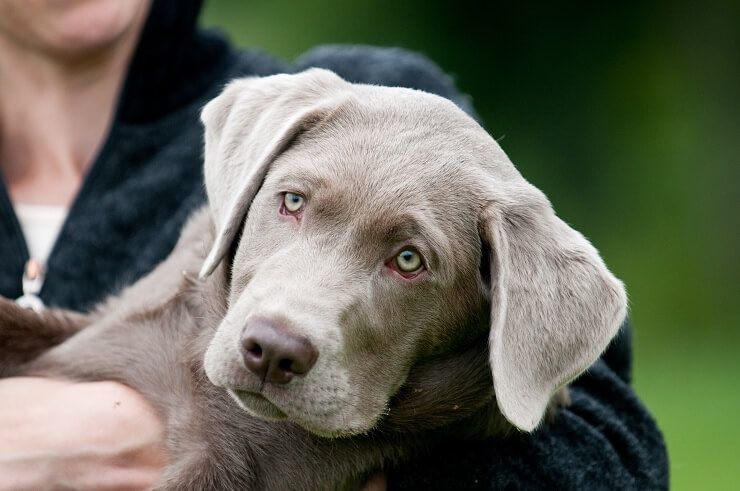
Pomeranian Poodle Pomapoo: The Definitive Guide to the Perfect Crossbreed
Breeds / 2026

The article provides an extensive overview of German Shepherd puppies, including pricing, selection considerations, and early care recommendations.
It notes that prices for German Shepherd puppies for sale near me can range from $500 to $2,000 depending on factors like lineage, breeder reputation, and location. Annual costs for food, medical care, supplies for a German Shepherd puppy can also run $500-$1,500.
When searching for German Shepherd puppies near me, the article advises carefully researching breeders, asking about health checks performed, and evaluating puppy temperament and energy level compatibility. Proper early socialization, nutrition, training, and veterinary care is also important for raising healthy, well-adjusted German Shepherd puppies.
The piece highlights that while how much are German Shepherds varies greatly, the ultimate joy and companionship they provide is priceless. Taking time to select the right German Shepherd puppy can lead to a lifetime of fulfillment.

German Shepherd puppies are known for their intelligence, loyalty, and versatility, making them one of the most popular dog breeds. However, owning a German Shepherd comes with a significant financial commitment. It's important to understand the cost factors involved before bringing a puppy into your home.
The price of a German Shepherd puppy can vary depending on various factors such as breeder reputation, lineage, and geographical location. High-quality German Shepherd puppies from reputable breeders can range from $1,000 to $3,000 or even more. Show-quality puppies with champion bloodlines can be even more expensive.
It's essential to consider the initial cost of the puppy itself, but that's not the only expense you'll encounter. Other costs to consider include veterinary care, vaccinations, microchipping, grooming, training, and supplies such as food, toys, and bedding. These costs can add up quickly, especially in the first year of owning a puppy.
Additionally, German Shepherds are a large breed and require a significant amount of food. Feeding a German Shepherd can cost around $50 to $100 per month, depending on the quality of food you choose. This cost can vary if you decide to feed a raw or specialized diet.
It's also important to factor in potential health issues that German Shepherds may be prone to, such as hip dysplasia. While reputable breeders strive to produce healthy puppies, there is always a risk of genetic health problems. Having a financial buffer for potential vet bills is crucial.
Before purchasing a German Shepherd puppy, it's essential to do thorough research and find a reputable breeder. Avoid purchasing from puppy mills or irresponsible breeders who prioritize profit over the health and well-being of the puppies. A reputable breeder will provide health clearances for the parents, offer a health guarantee, and be available for any questions or concerns you may have.
While German Shepherd puppies may come with a higher price tag compared to some other breeds, the joy, companionship, and loyalty they bring are priceless. By understanding the costs involved and being prepared, you can ensure a happy and healthy life for your German Shepherd puppy.
German Shepherds are often considered to be one of the most expensive dog breeds. There are several factors that contribute to their high price tag:
1. Breeding: Responsible breeders invest a significant amount of time, effort, and money into breeding German Shepherds. They carefully select breeding pairs with desirable traits, perform health checks, and provide proper care for the mother and puppies. These additional expenses are reflected in the higher price of the puppies.
2. Bloodline and Pedigree: German Shepherds with prestigious bloodlines and pedigrees tend to be more expensive. These dogs come from lines with a proven track record of producing high-quality offspring with desirable traits. The reputation and lineage of the dog's ancestors contribute to its value.
3. Training and Socialization: German Shepherds are intelligent and highly trainable dogs. However, effective training and socialization require time, effort, and expertise. Breeders and trainers who invest in providing puppies with early training and socialization experiences may charge a higher price for their well-prepared dogs.
4. Health Testing: Responsible breeders will conduct health tests on their breeding dogs to ensure they are free from genetic diseases and abnormalities. These tests can be expensive, but they help ensure the overall health and well-being of the puppies. The cost of these health tests is often factored into the price of the puppies.
5. Demand and Popularity: German Shepherds are highly sought after for their intelligence, loyalty, and versatility. Their popularity contributes to their higher price, as the demand often exceeds the available supply. Additionally, their reputation as police and military dogs further increases their value.
It's important to note that the high price of a German Shepherd does not guarantee the dog's quality or suitability for every owner. It's crucial to research and find a reputable breeder who prioritizes the health and well-being of their dogs.
When looking for a German Shepherd puppy, there are several factors to consider in order to determine if it is a good choice:
1. Health and vitality: A good German Shepherd puppy will be active, alert, and have a shiny coat. It should have clear eyes and clean ears, with no signs of discharge or infection.
2. Temperament: German Shepherds are known for their intelligence, loyalty, and protective nature. A good puppy should exhibit these traits from an early age. They should be curious, confident, and willing to interact with people and other animals.
3. Bloodline and pedigree: It is important to research the lineage of the puppy and ensure that both parents have a strong working or show dog background. This can give you an idea of the puppy's potential for specific traits and abilities.
4. Structure and conformation: A good German Shepherd puppy should have a strong and balanced structure. The legs should be straight and the body should be well-proportioned. The puppy should move freely and smoothly, with no signs of lameness or stiffness.
5. Breeder reputation: Choose a reputable breeder who prioritizes the health and well-being of their dogs. A good breeder will provide proper socialization and early care for the puppies, as well as be available for support and guidance throughout the dog's life.
By considering these factors, you can increase your chances of finding a good German Shepherd puppy that will grow up to be a loyal and loving companion.
German Shepherds are known for their intelligence, loyalty, and versatility, making them one of the most popular dog breeds worldwide. While the average price for a German Shepherd puppy can range from $500 to $1500, there are certain factors that can greatly increase the price.
The most expensive German Shepherds are typically those with top-tier bloodlines and impressive pedigrees. These dogs come from champion lines and have parents who have excelled in various competitions like conformation shows, obedience trials, and working trials. The prestige and reputation of the breeder also play a significant role in the price.
Another factor that can drive up the price of a German Shepherd is the level of training and socialization provided. Dogs that have undergone extensive training, such as service dogs or police dogs, can cost significantly more due to the time and effort invested in their development.
Additionally, rare coat colors such as solid black, blue, or white can also contribute to a higher price tag. These colors are less common and may require specific breeding programs to achieve, which increases their value.
It's important to note that while the price may be high, it doesn't guarantee the quality or health of the dog. Responsible breeders prioritize the health and well-being of their puppies and perform health screenings to ensure they are free from genetic disorders.
When considering purchasing a German Shepherd, it's essential to do thorough research, ask the breeder questions, and visit the breeding facility if possible. This way, you can make an informed decision and find a German Shepherd that suits your needs and preferences.

When selecting a German Shepherd puppy, there are several important factors to consider. These factors will help ensure that you choose a healthy and well-adjusted puppy that is a good fit for your home and lifestyle. Here are some key points to keep in mind:
By considering these factors and taking the time to choose the right German Shepherd puppy for your home, you'll be setting yourself up for a rewarding and fulfilling relationship with your new four-legged friend.
Choosing a puppy from a litter can be an exciting but important decision. Here are some tips to help you make the right choice:
By following these tips and taking the time to choose the right puppy, you can ensure that you find a loyal and loving companion for years to come.
Choosing the right age to adopt a German Shepherd puppy is an important decision that can greatly impact the dog's development and overall behavior. While there is no definitive answer to this question, there are a few factors to consider when determining the best age to bring home your new furry friend.
Generally, most reputable breeders and experts suggest waiting until the German Shepherd puppy is at least 8 weeks old before adoption. This is because at 8 weeks, the puppy has had enough time with their mother and littermates to learn crucial socialization skills and develop a strong foundation for future training.
During the first 8 weeks of life, German Shepherd puppies go through important developmental stages. They learn how to interact with their siblings, explore their surroundings, and begin to understand basic commands from their mother. These early experiences are crucial for their emotional and cognitive development.
By adopting a German Shepherd puppy at 8 weeks old, you ensure that they have had ample time to learn these important skills from their mother and littermates. This helps them become well-adjusted and confident dogs in the long run.
However, it is important to note that every puppy is different, and some may be ready for adoption earlier or later than others. It is essential to work closely with a reputable breeder or animal shelter to determine the best age for adoption based on the individual puppy's development and needs.
Additionally, it is crucial to consider your own readiness and availability when deciding on the best age to adopt a German Shepherd puppy. Puppies require a lot of time, attention, and training, so make sure you have the resources and commitment to provide them with the care they need.
In conclusion, while 8 weeks old is generally considered the best age to adopt a German Shepherd puppy, it is essential to consider the puppy's individual development and your own readiness before making a decision. By taking these factors into account, you can ensure that you provide the best environment for your new furry friend to thrive.

German Shepherd puppies go through several important development stages in their first year of life. Understanding these stages can help you provide the appropriate care and training for your puppy.
Newborn Stage: The newborn stage lasts from birth to about 2 weeks old. During this stage, puppies are completely dependent on their mother for food and warmth. They spend most of their time sleeping and eating.
Transitional Stage: The transitional stage occurs between 2 to 4 weeks old. Puppies begin to open their eyes and ears, and they start to explore their surroundings. They become more mobile and start interacting with their littermates and mother.
Socialization Stage: The socialization stage begins around 3 to 12 weeks old. This is a critical period for puppies to learn and adapt to their environment. They become more curious and playful, and they start to develop their social skills. It is important to expose them to various people, animals, and environments during this stage to ensure they grow up to be well-rounded dogs.
Ranking Stage: The ranking stage occurs between 3 to 6 months old. Puppies start to establish their place in the pack and test the boundaries. They may become more independent and stubborn during this stage. Consistent training and positive reinforcement are crucial to establish your leadership and teach them proper behaviors.
Adolescent Stage: The adolescent stage begins around 6 to 18 months old. Puppies go through hormonal changes and may exhibit more challenging behaviors. They are still growing physically and mentally, so it is important to continue their training and provide plenty of exercise and mental stimulation.
Maturity Stage: The maturity stage starts around 18 months old and can last up to 3 years old. German Shepherds are considered fully mature at around 3 years old. During this stage, they become more settled and less energetic. However, they still require regular exercise and mental stimulation to maintain their overall well-being.
Understanding the development stages of German Shepherd puppies can help you provide the appropriate care and training at each stage. By doing so, you can ensure they grow up to be happy, well-behaved, and healthy dogs.
A German Shepherd is considered a puppy until they reach the age of one year old. During this time, they go through various stages of growth and development. It is important to provide them with proper care and training during their puppyhood to ensure they grow into well-behaved and healthy adult dogs.
As puppies, German Shepherds require a lot of attention and socialization to help them become well-adjusted adults. They should be exposed to different environments, people, and animals to build their confidence and reduce the chances of behavioral issues later in life.
It is also important to establish a routine for feeding, exercise, and potty training during this time. Regular veterinary check-ups and vaccinations are necessary to monitor their health and protect them from common diseases.
Once a German Shepherd reaches the age of one year old, they are considered adults. However, they may still exhibit some puppy-like behaviors and continue to grow and mature mentally and physically until they reach full adulthood at around two years old.
At this point, their training should be more focused on obedience and advanced commands. Regular exercise, mental stimulation, and a balanced diet are essential for their overall well-being. Continued socialization with other dogs and people is also important to prevent any potential aggression or anxiety issues.
In conclusion, a German Shepherd is no longer considered a puppy once they reach one year old. However, it is important to continue providing them with proper care, training, and socialization to ensure they grow into well-rounded adult dogs.
German Shepherd puppies are known for their high energy levels and playful nature. However, as they grow older, they tend to calm down and become more relaxed. The age at which German Shepherd puppies calm down can vary, but typically, by the time they reach two to three years old, they start to exhibit more settled behavior.
During the first few months of their lives, German Shepherd puppies are filled with boundless energy. They are curious, eager to explore their surroundings, and have a strong desire to play. This is a crucial stage for their development, as they learn important socialization skills and start to build their confidence.
As German Shepherd puppies approach their first birthday, they may start to show signs of maturity. They might become more focused and attentive, making training sessions easier. However, they may still have bursts of energy and require regular exercise to keep them physically and mentally stimulated.
Around the age of two, German Shepherds tend to reach their full physical and mental maturity. At this stage, they have usually outgrown their puppy behavior and have become more calm and composed. They are more likely to be content with moderate exercise and enjoy spending time relaxing with their owners.
It's important to note that individual German Shepherd puppies may calm down at different rates. Factors such as genetics, training, and socialization can all play a role in determining when a specific puppy will become calmer. Additionally, providing them with consistent training, mental stimulation, and regular exercise can help them transition into a calmer state more quickly.
In conclusion, German Shepherd puppies generally start to calm down around the age of two to three years old. However, it's important to remember that every dog is unique, and their specific development may vary. Patience, proper training, and regular exercise are key in helping your German Shepherd puppy transition into a well-behaved and calm adult dog.
The juvenile stage of a German Shepherd is an important phase in their development. It is a transitional period between puppyhood and adulthood, typically lasting from around 3 to 6 months of age. During this stage, German Shepherds experience significant physical and behavioral changes as they grow and mature.
Physically, German Shepherd puppies in the juvenile stage will continue to grow rapidly. Their bones and muscles are developing, and they may appear lanky and awkward as they adjust to their changing bodies. It is crucial to provide them with a balanced diet and regular exercise to support their growth and development.
Behaviorally, German Shepherd puppies in the juvenile stage are curious, energetic, and highly trainable. They are eager to explore their surroundings, learn new things, and interact with their environment. It is important to provide them with plenty of mental stimulation, such as puzzle toys and training exercises, to keep them engaged and prevent boredom.
During the juvenile stage, German Shepherds may also start to exhibit signs of independence and assertiveness. They may test boundaries and challenge authority, which is why consistent and positive training is essential during this stage. It is crucial to establish clear rules and boundaries, and use positive reinforcement techniques to shape their behavior.
Additionally, socialization is crucial during the juvenile stage. Introducing German Shepherd puppies to different people, animals, and environments at this stage will help them develop into well-rounded and confident adult dogs. Exposing them to various stimuli, such as different sounds, textures, and experiences, will help them become more adaptable and less prone to fear or anxiety.
Overall, the juvenile stage of a German Shepherd is an important period of growth and development. Providing them with proper nutrition, exercise, training, and socialization during this stage will set the foundation for a well-behaved and happy adult German Shepherd.

German Shepherd puppies are adorable and require special care during their early stages of life. Here are some important tips for caring for newborn and young German Shepherds:
By following these care tips, you can ensure that your German Shepherd puppy grows up to be a healthy, happy, and well-behaved adult.
Taking care of a baby German Shepherd, also known as a puppy, is a rewarding but challenging responsibility. Here are some important tips to ensure the well-being of your furry friend:
1. Provide a safe and comfortable living environment: Set up a warm and cozy space for your puppy with a comfortable bed, toys, and access to clean water and food.
2. Feed a balanced diet: Choose a high-quality puppy food that is appropriate for your German Shepherd's age and size. Follow the feeding guidelines provided by the manufacturer and adjust as necessary.
3. Establish a routine: Puppies thrive on routine, so establish a consistent schedule for feeding, playtime, potty breaks, and sleep. This will help with their training and overall development.
4. Socialize your puppy: Introduce your German Shepherd to various people, animals, and environments to help them develop good social skills and prevent fear or aggression issues later in life.
5. Start training early: Begin basic obedience training as soon as possible. Teach your puppy commands such as sit, stay, and come. Use positive reinforcement techniques, such as treats and praise, to encourage good behavior.
6. Provide mental and physical stimulation: German Shepherds are intelligent and active dogs. Engage your puppy in daily exercise, play, and mental stimulation activities, such as puzzle toys or obedience training sessions.
7. Regular veterinary care: Schedule regular check-ups, vaccinations, and deworming treatments with a trusted veterinarian. They will ensure your puppy's health and address any concerns or issues that may arise.
8. Monitor their health: Keep an eye out for any signs of illness or discomfort, such as changes in appetite, behavior, or bathroom habits. Seek veterinary attention if you notice any abnormalities.
9. Be patient and consistent: Remember that raising a puppy takes time and effort. Be patient with their training and always remain consistent with your expectations and rules.
By following these care tips, you can help your baby German Shepherd grow into a well-behaved and happy adult dog.
Feeding a newborn German Shepherd puppy is crucial for their healthy growth and development. During the first few weeks of their life, newborn German Shepherds rely solely on their mother's milk for nutrition. The mother's milk provides them with all the necessary nutrients and antibodies to boost their immune system.
It is important to ensure that the mother dog is well-nourished and receives a balanced diet during pregnancy and lactation. This will ensure that the puppies receive optimal nutrition through their mother's milk.
If, for any reason, the mother is unable to nurse the puppies, it becomes necessary to provide them with an alternative source of nutrition. In such cases, a veterinarian should be consulted for guidance on choosing a suitable milk replacer formula. The milk replacer should be specifically formulated for puppies and should closely resemble the composition of their mother's milk.
When feeding newborn German Shepherd puppies with a milk replacer, it is essential to follow the instructions provided by the manufacturer. The milk replacer should be warmed to body temperature before feeding and should be given in small amounts at regular intervals throughout the day. Feeding bottles or syringes can be used to administer the milk replacer.
As the puppies grow, they will gradually transition from a milk-based diet to solid food. This transition usually starts around three to four weeks of age. At this stage, a high-quality puppy food that is specifically formulated for large breed puppies can be introduced. The puppy food should be soaked in warm water or milk replacer to make it easier for the puppies to eat.
It is important to monitor the puppies' weight and growth during the weaning process. If any concerns arise or if the puppies are not thriving, it is recommended to consult a veterinarian for guidance.
In conclusion, newborn German Shepherd puppies should be exclusively fed their mother's milk for the first few weeks of their life. If necessary, a suitable milk replacer can be used. As they grow, a gradual transition to a high-quality puppy food should be made. Monitoring their growth and consulting a veterinarian when needed will ensure that the puppies receive the proper nutrition for their healthy development.
Baby German Shepherds, also known as German Shepherd puppies, have specific preferences and needs during their early stages of life. Here are some things that they typically enjoy:
1. Playtime: Baby German Shepherds have a lot of energy and love to play. They enjoy interactive toys, such as chew toys, balls, and puzzle toys that stimulate their minds.
2. Socialization: Puppies thrive on social interaction and love spending time with their owners and other animals. They enjoy being petted, cuddled, and having their bellies rubbed.
3. Training: German Shepherds are intelligent and eager to please, even from a young age. They enjoy learning new commands and tricks through positive reinforcement training.
4. Outdoor activities: Baby German Shepherds love exploring the outdoors and experiencing new sights and smells. They enjoy going for walks, playing fetch, and engaging in other physical activities.
5. Food and treats: Puppies have a hearty appetite and enjoy eating high-quality puppy food. They also love treats as rewards for good behavior.
6. Rest and relaxation: Like all babies, German Shepherd puppies need plenty of rest. They enjoy having a comfortable bed or crate where they can relax and recharge.
7. Attention and affection: Baby German Shepherds are social animals and crave attention and affection from their owners. They enjoy being included in family activities and being showered with love and praise.
It's important to note that every puppy is unique, and individual preferences may vary. It's essential to spend time with your baby German Shepherd to understand their likes and dislikes and provide them with the care and attention they need.